Anesthesia Technician Course 2026 | Eligibility, Duration, Syllabus, Jobs & Salary
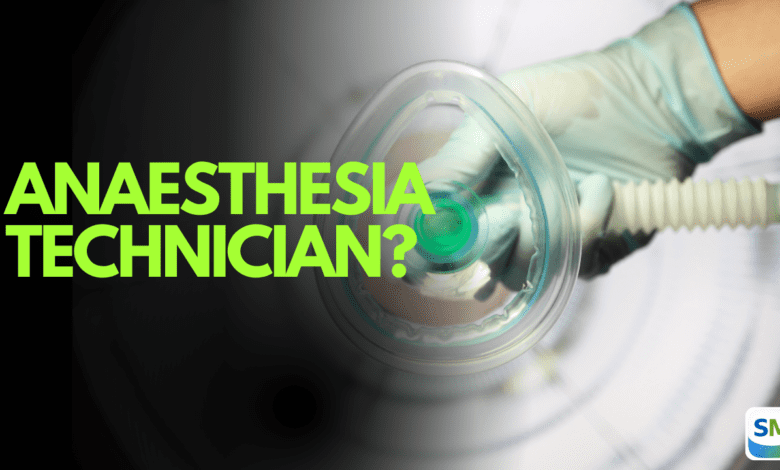
🧩 What Is an Anaesthesia Technician?
The Anesthesia Technician Course is one of the most important and rapidly growing healthcare programs. Anesthesia Technicians play a vital role in assisting anesthesiologists during surgeries and ensuring patient safety before, during, and after anesthesia. In this course, students learn how to prepare the operation theatre, maintain anesthesia machines, sterilize surgical instruments, and monitor patients. The profession requires strong technical knowledge, attention to detail, and the ability to handle emergencies calmly.
🎓 Eligibility Criteria
To become an anaesthesia technician, students must have completed their higher secondary education (10+2) with a science background—specifically in Physics, Chemistry, and Biology. Most institutions require at least 45 to 50 per cent marks in these subjects. The minimum age for admission is 17 years. Some colleges conduct entrance exams or personal interviews to assess students’ aptitude and interest in the medical field. Those who wish to pursue higher studies can go for a Bachelor of Science (B.Sc.) in Anaesthesia Technology or even postgraduate diplomas and master’s programs later.
⏳ Course Duration
The duration of the course varies depending on the level of study.
- Diploma inAnaesthesiaa Technology: 2 years + 6 months internship
- B.Sc. in Anaesthesia Technology: 3 years + 1-year internship
- M.Sc. or PG Diploma: 2 years
During this period, students receive both theoretical and practical training, allowing them to gain in-depth knowledge of anaesthesia procedures and operating theatre techniques.
📚 Syllabus Overview
The syllabus of anaesthesia technology includes a mix of core science subjects and specialised medical topics.
🧠 Core Subjects:
- Human Anatomy and Physiology
- Biochemistry and Pharmacology
- Basics of Anaesthesia Equipment
- Operation Theatre Techniques
- Clinical Anaesthesia Procedures
- Patient Monitoring & Emergency Management
- ICU Technology and Pain Management
Practical training forms a significant part of the curriculum, where students get hands-on experience with anaesthesia machines, ventilators, and monitoring systems. The final semester or year is typically dedicated toan internship and clinical exposure in hospitals under the supervision of senior anesthesiologists.
🧾 Exam Pattern
The examination structure includes semester or yearly written tests, practical exams, and viva voce sessions. Students are evaluated based on theoretical knowledge, technical skills, and clinical performance during internships. Many colleges also include internal assessments to encourage continuous learning.
💼 Job Opportunities
After completing the course, anaesthesia technicians have a wide range of job opportunities in both public and private healthcare sectors. They can work in:
- Hospitals and Surgical Units
- Operation Theatres and TraumaCentress
- Intensive Care Units (ICUs)
- Emergency Departments
- Research Institutes and Medical Equipment Companies
Common Job Roles:
- Anesthesia Technician
- Operation Theatre Assistant
- Anesthetist Assistant
- Clinical Technician
With experience, professionals can move into senior roles like Senior Anaesthesia Technologist, Operating Theatre Manager, or Clinical Instructor in teaching hospitals.
💰 Salary Details
The salary of an anaesthesia technician depends on qualification, experience, and workplace.
In India:
- Freshers: ₹2.5 – ₹4.5 LPA
- Experienced Professionals: ₹6 – ₹8 LPA
Top private hospitals and specialised centres often offer higher packages due to the demand for skilled technicians.
Abroad:
Anaesthesia Technicians are in high demand in the USA, UK, Canada, UAE, and Australia.
- USA: $45,000 – $70,000 per year
- UK: £25,000 – £38,000 per year
- Gulf Countries: ₹10 – ₹25 LPA
To work abroad, candidates may need international certifications like HAAD, MOH, or DHA, and good English proficiency (IELTS).
🌍 Career Scope Abroad
The career scope for anaesthesia technicians abroad is very promising. Many countries face a shortage of skilled medical staff. Hospitals prefer professionals who have hands-on experience with advanced equipment and modernanaesthesiaa procedures. With extra certifications and training, one can become a Clinical Specialist, Equipment Trainer, or even move into medical research and teaching roles.
📈 Future Growth & Opportunities
As medical technology advances and surgical procedures increase, the demand for qualified anaesthesia technicians will continue to rise. This profession offers long-term job stability, good income, and immense satisfaction from working in life-saving environments. For students who are passionate about healthcare but prefer a technical role over becoming a doctor, anaesthesia technology provides the perfect balance of science, skill, and compassion.
🏁 Conclusion
Becoming an anaesthesia technician is a smart career choice for 2025 and beyond. It offers stable employment, growth opportunities, and international career potential. With proper training, dedication, and continuous learning, students can build a rewarding career in this ever-growing medical field.